
Dental Implants – Hayward, CA
Giving Your Smile the Longer Lifespan It Deserves

You have the option of choosing a tooth replacement solution that looks good, feels comfortable, and is financially cheaper, but if you want something that will stand the test of time and help you recapture the confidence you once lost, you cannot go wrong in choosing dental implants. Their superiority to dental bridges is evident in their placement. Let us help you smile longer by calling our SoHay Dental team to schedule a consultation for dental implants in Hayward.
Why Choose SoHay Dental for Dental Implants?
- Partnered with Local Dental Implant Specialists
- State-of-the-Art Dental Technology
- Dentist Who Cares About Patients’ Needs & Results
What Are Dental Implants?

As an artificial tooth that consists of three parts - the post, the abutment, and the crown - a dental implant mimics what a natural tooth looks like. Placed beneath the gumline and into the jawbone, it serves as a means of stimulation to keep your face from collapsing and from experiencing bone atrophy. Dental implants are highly durable, capable of replacing one or multiple teeth, and can support a customized implant crown or bridge.
The 4-Step Dental Implant Process
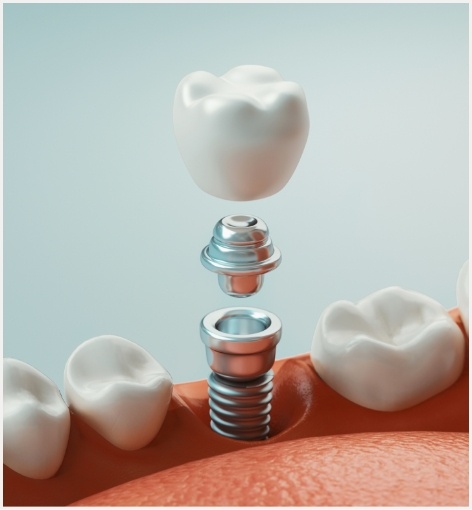
To achieve the unique, long-lasting benefits of dental implants, they require a multi-step process that takes place over the course of several months. Everyone’s treatment process will look a little bit different, but here are the four main steps that every patient can expect.
Initial Dental Implant Consultation
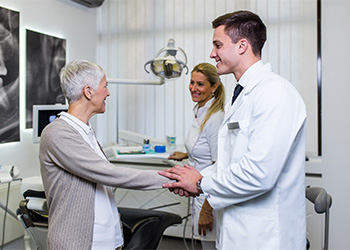
The first part of the dental implant process is attending a dental implant consultation. During this time, a complete examination of your mouth will occur as well as discussions regarding your oral and overall health. We’ll determine if you are healthy enough to undergo minor oral surgery and if your mouth can support whichever type of restoration you need. Some patients need preliminary procedures, like bone grafting and/or gum disease treatment, before they are able to get dental implants. If this applies to you, we will help you schedule this. Once your smile is in good shape, we can move on to the rest of the dental implant process.
Dental Implant Surgery
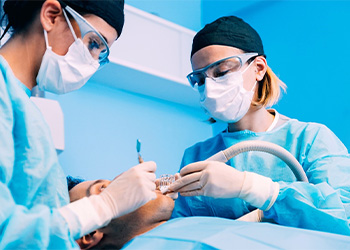
When ready for oral surgery, we’ll refer you to a local dental implant specialist whom we work closely with to ensure that the placement of your implant posts occurs safely and leaves you with beautiful results. After numbing the area with a local anesthetic, an incision is made into the gum tissue. Then, the dental implants are placed at very precise angles in the jawbone. The gums are closed, and protective caps are placed over the implants so the healing can commence.
Dental Implant Osseointegration & Abutment
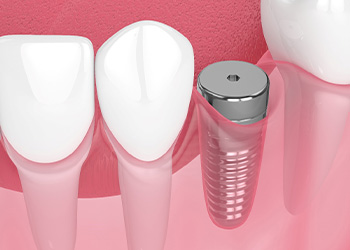
You’ll need to spend 4-6 months allowing your mouth to fully heal. A fusion process between the dental implant and the jawbone. This is called “osseointegration” and is the reason why dental implants are so stable and long-lasting. Once healed, you’ll have your metal abutments put into place so that your restorations remain affixed to your implant posts.
Delivery of Dental Implant Restoration
Your restoration will be designed based on impressions taken of your smile. It is crafted in the dental laboratory and sent to our practice. Dr. Diep will secure it in place so that you may begin using it right away. If everything looks and feels as it should, you will be free to leave the office showing off your beautiful, complete smile!
Who Dental Implants Can Help

Are you considering dental implants for yourself? Then take the next step: schedule a consultation with our dental implant dentist in Hayward, Dr. Diep, so he can learn all about your dental needs, oral health, and smile goals. If you aren’t quite ready to schedule an appointment yet, that’s okay – you can also read on to learn more about what makes someone a good candidate for dental implants.
Who Is a Good Candidate for Dental Implants?

There are a few things we look for in a good dental implant candidate, starting with a strong jawbone. Healthy gums and a willingness to break bad habits, like smoking, are also essential. Fortunately, even if you aren’t a candidate right away because of bone loss or an infection in your gums, we can usually provide the care you need upfront, ensuring a complete, healthy, and beautiful smile isn’t out of reach for long. Ultimately, if you are struggling with tooth loss and are interested in dental implants, the best thing to do is schedule a consultation with us so we can learn about your unique dental needs and smile goals.
Missing One Tooth

If you are missing one tooth – whether from a sports-related accident or a significant cavity – we have good news: dental implants may be the solution you’ve been looking for! If we determine that it’s the best tooth-replacement option (and you agree), we will insert the implant into your jawbone and allow it to fuse together (a process known as “osseointegration”). Then, we will secure a dental crown to the top, effectively restoring the visible portion of your tooth as well.
Missing Multiple Teeth

If you are missing multiple teeth in a row (or several teeth throughout your mouth), there are several ways we can restore the look of your smile and the strength of your bite, including with dental implants. The first option is using an implant bridge to replace several teeth consecutively. The second is replacing each individual tooth with a single implant. The third is anchoring a partial denture with implants to replace several teeth in an arch.
Missing All Teeth

If you are missing every tooth in an arch or all of your teeth – you guessed it – dental implants are an option. In this case, we will need to insert a few dental implants strategically throughout your jaw. Then, we can anchor a denture in place, restoring your complete smile and the strength of your bite in the process. One of the best parts of this tooth-replacement solution is that it can last for several decades with proper care, and it’s incredibly stable, ensuring your restoration doesn’t slip out of position when you speak, laugh, or chew.
Benefits of Dental Implants
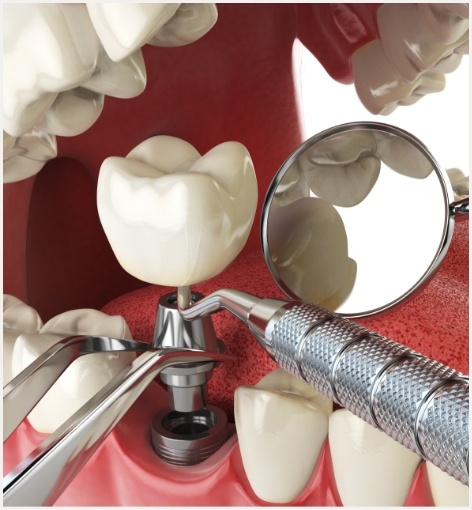
With dental implants, the benefits of these prosthetics extend far beyond the immediate results of a complete and beautiful-looking smile. They also deliver advantages that will impact your day-to-day life, your oral and overall health, and your future. Providing long-term results that can last 30 years or more, they’re proven to be more cost-effective than dental bridges because of the decreased chance that they’ll ever need to be replaced. Here are some of the biggest advantages you can expect with this treatment.
Day-to-Day Benefits

- Stronger Bite: With dental implants, you can regain 80% or more of your natural biting power. Not only will this help make your mouth stronger while chewing, but you can also expand your dietary choices to include more solid foods, such as lean meats, raw veggies, and juicy steaks.
- Improved Speech: Missing even one of your teeth can negatively impact your ability to speak clearly. By replacing your lost ones with dental implants, you’ll be able to improve your speech without having to worry about your restorations moving out of place.
- Greater Confidence: Once you have a complete bite again due to dental implants, you can feel free to smile as often as you want with increased confidence in your appearance. This can lift your mood significantly and, in turn, improve your quality of life.
- Easier Cleaning: Instead of needing special tools or techniques to clean your restoration(s) and smile, you’ll simply need to clean your dental implants like you would your normal pearly whites.
Health Benefits

- Better Nutrition: Now that you’ve regained the majority of your chewing ability, you can feel free to enjoy most of your favorite foods. Additionally, you’ll be able to choose more nutritional meals, which can promote stronger and healthier gums and jawbone tissue.
- Jawbone Preservation: While other traditional prosthetics can help you regain your bite, they won’t help preserve your jaw structure like dental implants. Since the metal posts will be embedded into your jawbone, they can help stimulate circulation which can then promote bone growth and maintain a youthful facial shape.
Long-Term Benefits

- Long-Lasting Results: Traditional dental bridges and dentures typically last a decade or so while dental implants can go on for 30+ years to a lifetime with proper care.
- Cost-Effective Treatment: Since dental implants won’t require replacements as often as other restorations or prosthetics, you’ll be able to save more over the years.
Understanding the Cost of Dental Implants
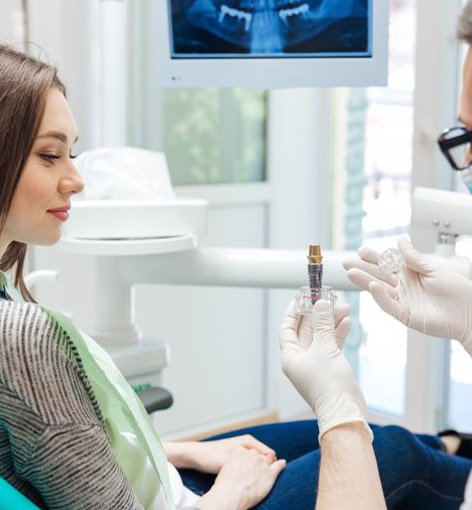
Dental implants can be quite the commitment, so you’d probably like to know how much this treatment could cost. Since every smile is unique, however, it’s difficult to pin down an exact price without first examining your mouth. Still, we don’t want you to feel like you’re flying blind!
To help you understand the cost of dental implants in Hayward, we’ve compiled a list of factors that can impact your expenses, as well as other financial information. Give it a readthrough, and let us know if you have any questions!
Preliminary Treatments & Dental Implant Surgery

You should know that if you need any preliminary treatments, such as a bone graft or gum disease therapy, those costs will be counted separately from the actual dental implant surgery. Rest assured, preliminary treatments ensure that you’re able to properly support your dental implants and can save you money by helping you avoid complications.
At our practice, we partner with local dental implant specialists to make sure every implant is placed properly during surgery. This, too, will ultimately promote the success of your treatment.
The Parts of Your Dental Implant
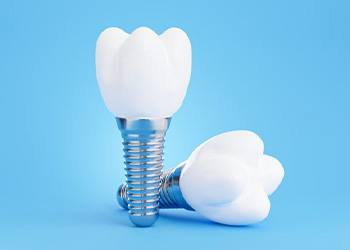
Depending on your needs and preferences, each individual part that makes up your dental implant could be more or less expensive. For example:
- The number of implants you’d like will have an impact on your costs.
- The type of restoration you require could change your bill. Generally, an independent implant is less expensive than implant dentures or an implant bridge.
- Materials will be another factor you’ll have to consider. Modern implants can be made from zirconia or titanium.
- Various manufacturers have different price points for their services. Feel free to ask us where we source our implants!
How Dental Implants Can Save You Money

Dental implants should be viewed as an investment. Though they have higher upfront costs than other restoration options, they’re also more effective at preserving your jawbone and tend to last much longer. In the long run, you could save money from not needing frequent replacements or drastic jawbone treatment.
Does My Dental Insurance Cover Dental Implants?
Some dental insurance plans offer partial coverage for dental implant treatments. These policies are more likely to pay for preliminary treatments and final restoration than they are implant surgery. Whatever the details of your plan are, though, we’ll be happy to help you get the most out of your benefits!
Making Dental Implants Affordable

To help make dental care more accessible for patients without dental insurance, we offer other ways of making dental implants in Hayward more affordable. Here are your options:
- CareCredit and Cherry are third-party financiers that can break your total bill down into smaller, more manageable monthly payments.
- Our in-house membership plan provides a 20% discount on restorative treatments – without requiring you to meet a deductible or stay under an annual maximum.
Maintaining & Caring for Your Dental Implants

Dental implants are the only replacement teeth that are placed directly into your jaw for added strength and stability, but that doesn’t mean they’re completely invincible. You must care for them correctly to avoid potential problems that could harm them.
Continue reading to learn more about proactive ways you can help maintain your new teeth so you can continue making the most of their many unique advantages!
Make Oral Hygiene a Priority

Your restoration isn’t made from the same organic components as the teeth you were born with, so they can’t develop disease or decay themselves. However, the surrounding connective and bone tissues are still at risk, and if they are damaged, your implant might not have a strong enough foundation to remain firmly in place.
You can prevent this by brushing and flossing twice daily, taking care not to press so deeply into the pocket of your implant that you damage its protective seal.
Eat a Healthy Diet

Overly hard, sticky, crunchy, and sugary foods can potentially chip, crack, push, or pull your new tooth out of place, especially during recovery, before it has fully fused with your jawbone.
You can help protect it by enjoying soft foods, such as mashed potatoes, scrambled eggs, and applesauce, until you’ve healed. Once your jaw completely envelops your implant, you can enjoy up to 80% or more of your original chewing power, which allows you to enjoy a wider variety of wholesome foods that support your oral and overall well-being.
Break Bad Habits

Smokers are significantly more likely to experience failure because nicotine in tobacco suppresses your immune system and restricts your blood oxygen levels and flow, making it harder for your body to send essential nutrients and infection-fighting cells to your mouth to heal after your procedure. As a result, most experts recommend quitting this habit at least until you’ve fully recovered.
It’s also best to avoid using your teeth as tools to open packages, bottles, or cans, which can chip or break them.
Protect Your Dental Implants
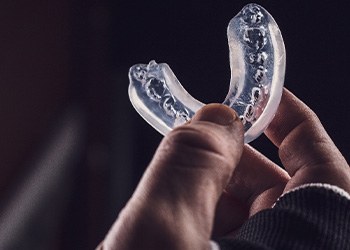
Athletes are prone to sustaining injuries, such as taking a blow to the face, that can break, damage, or dislodge their teeth or implants. This can thankfully be prevented by wearing a mouthguard during close-contact physical activities.
Also, those who suffer from bruxism, or chronic teeth grinding, might want to invest in a protective nightguard or other oral appliance to shield their teeth and jaw from the added pressure of constantly clenching down.
Schedule Regular Dental Checkups
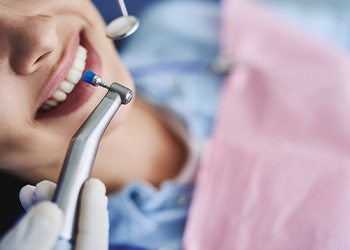
Another simple but effective way to safeguard your new restoration(s) is by scheduling a routine dental exam and cleaning every 6 months. This allows our team to monitor your dental condition so we can catch and treat any areas of concern, like a destabilized implant, before it becomes more severe.
Dental Implant Failure & Salvage
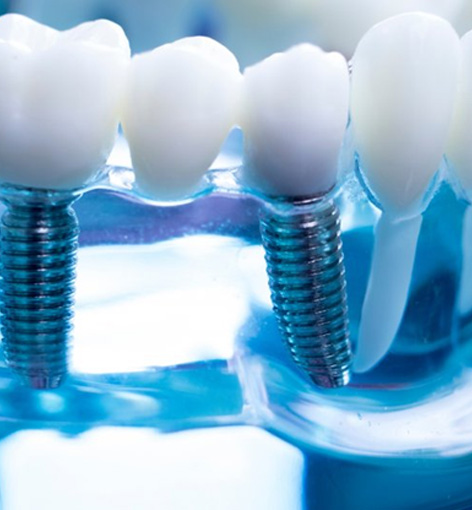
Dental implants in Hayward have a 95% success rate, so it’s incredibly rare for them to fail. However, if you encounter this problem, it can not only be alarming, but also harmful to your overall oral health. Dr. Diep and the rest of our team at SoHay Dental will be ready to provide salvage services when you need it most! After identifying the root cause of failure, we’ll work quickly to treat the issue and save your smile.
Learn More About Dental Implant Failure & Salvage
Dental Implant FAQs
Is there anything I shouldn’t eat with dental implants?
Just like your natural teeth, the restorations that are secured to the top of your dental implants can break with enough force. That’s why we recommend steering clear of extremely crunchy foods that lack nutritional value, like peanut brittle. It’s also a good idea to avoid sticky sweets, such as caramel-filled candies. To put it simply, it’s best to stick to healthy, well-balanced meals moving forward and to opt for snacks like plain yogurt or hard-boiled eggs, since they are smile-friendly and have a softer consistency.
How successful are dental implants?
Dental implants have an impressive success rate of over 95%. Not only that, but they can last for 30 years or longer with proper care. A few examples include brushing your teeth twice a day, flossing consistently, and wearing a mouthguard when you’re active. You should also schedule a dental checkup every six months so we can periodically examine the condition of your dental implants as well as the health of your gums and any remaining natural teeth that you have.
Am I too old to get dental implants?
Oftentimes, patients in their 70s, 80s, and 90s assume that they are “too old” for dental implants in Hayward. The truth is that candidacy is determined by factors like the density of the jawbone, not by age. So, if you are interested in pursuing a complete, confident smile, then don’t hesitate to schedule an appointment with our team at SoHay Dental!
Will I have to take off work for dental implant surgery?
Most patients take a day or two off work following the dental implant procedure. However, if you have a physically demanding job, then we may recommend taking a bit more time off to avoid complications, like delayed healing. Conversely, if you have an office job and schedule your appointment on a Friday afternoon, then you may feel well enough to return to work on Monday!
Do dental implants decay?
The short answer is “no.” While many patients assume that means they no longer need to be diligent about brushing, flossing, and rinsing with mouthwash, that’s not the case. After all, peri-implantitis (a form of gum disease) is one of the leading causes of dental implant failure. So, if you want to protect the time and money that you invested in the smile-rebuilding process, it’s crucial that you commit to a solid oral hygiene regimen at home and come to our office every six months for a checkup and cleaning.
Can dental implants replace molars?
They can. In fact, they can replace one, a few, or all of your molars! The best way to find out if you’re a good candidate for this state-of-the-art tooth-replacement solution is by scheduling an appointment with our team at SoHay Dental. Once we’ve assessed the density of your jawbone, the health of your gums, and your commitment to taking good care of your smile, we can determine if this is the best option for you.