
Dental Crowns – Hayward, CA
Delivering the Protection Your Teeth Need

Dental crowns may not be the kind of treatment you expect to receive, but when decay or damage wreaks havoc on your smile, they can be the most beneficial solution for better oral health. At SoHay Dental, Dr. Diep and our team can have tooth-colored crowns fabricated to not only appear lifelike but also deliver superior durability, strength, and protection so that your tooth grows stronger and functions normally day after day. Need help to restore a damaged tooth? Give our office a call!
Why Choose SoHay Dental for Dental Crowns?
- Tooth-Colored Materials Used
- Saturday Dental Appointments Available
- Dental Insurance Welcome & Financing Offered
What is a Dental Crown?
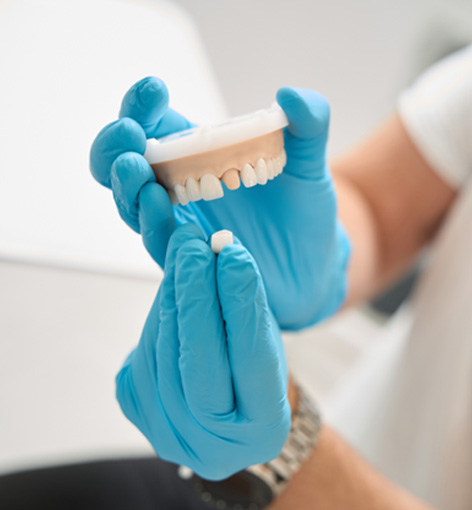
A dental crown is a customized restoration that offers protection to a structurally weakened tooth while allowing you to enjoy the benefits of a fully functional, beautiful smile. Designed to fit over an affected tooth once plagued by dental decay or damage, a dental crown can last 15+ years if you commit to taking proper care of it. Since our restorations are crafted from tooth-colored materials, you’ll appreciate the blended appearance, making it easier to conceal your dental work from those around you.
The Dental Crown Process
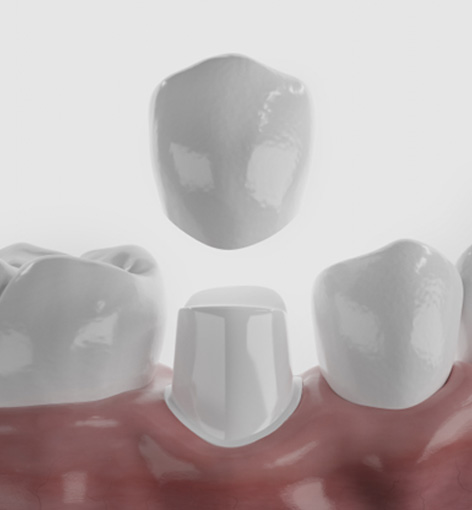
At SoHay Dental, Dr. Diep will make sure a dental crown is the right method of treatment before starting the process, which is as follows:
- We will administer local anesthesia to numb the tooth and the surrounding area.
- We will begin clearing out any decayed or damaged portions of the tooth before altering it in preparation for the final crown placement.
- Our team will take impressions of your tooth so that the image can be sent to a local dental laboratory. There, technicians will use tooth-colored materials to craft your crown based on the size, shape, and color indicated by Dr. Diep.
- We will have you wear a temporary crown between appointments to not only safeguard your vulnerable tooth but also help you get a feel for what your new crown will look and feel like once put in place.
- After several weeks, you will return to our office and have the temporary crown removed. We’ll then secure the new restoration in place, making sure it fits snugly over your tooth and feels comfortable when you bite down.
The Benefits of Getting a Dental Crown

Having a dental crown put in place may not be what you envisioned for your smile, but many great benefits come with this type of treatment, such as:
- Superior tooth protection
- A reduced risk of needing more invasive procedures, like a root canal or tooth extraction
- Improved chewing and eating abilities
- A more confident and beautiful smile because of the tooth-colored materials that are used
- Results that can last 15+ years with proper care
Dental Crowns FAQs
Are Dental Crowns Permanent?
Although they’re technically not permanent, dental crowns are definitely considered a long-term solution. In fact, on average, they can protect your teeth from five to 15 years.
Please be aware that when your dentist reshapes your tooth for a dental crown, that procedure is considered irreversible, as tooth enamel can’t grow back. Thus, that tooth will always need a crown for protection going forward.
The great news is that dental crowns protect the underlying tooth from additional damage, which can help it survive for much longer than it would have otherwise.
You can protect your crown and keep it in excellent condition for many years to come by maintaining your oral hygiene, visiting your dentist regularly for check-ups and cleanings, and wearing a mouthguard or nightguard if necessary.
Do Dental Crowns Get Cavities?
Although its technically impossible for a crown to develop cavities, the tooth underneath it still can. In fact, a crowned tooth has about the same risk of decay as an uncrowned tooth.
Poor oral hygiene makes it possible for bacteria and plaque to form around the gumline where the tooth meets the crown. They can then travel under the crown, causing damage to the underlying tooth.
To prevent cavities in crowned teeth, use the same best practices you would with your real teeth: brush twice a day, floss daily, visit your dentist twice a year for your regular exam and cleaning appointments.
Can Dental Crowns Be Whitened?
Unfortunately, no matter what material your crown is made of it can’t be whitened like your natural teeth can. That’s because tooth enamel is covered in tiny pores through which whitening gels can enter to break apart stains, but restorations like dental crowns do not. Thus, your crown should always remain the same color.
The good news is that metal-free crowns are designed to blend in with your surrounding teeth as closely as possible, so you shouldn’t worry about them standing out. However, to minimize the risk of discoloration in your natural teeth and make your crown look obvious, ask your dentist about getting a professional whitening treatment before your crown is placed. This way, you can match it to the ideal shade of your teeth!
Are Dental Crowns Covered by Insurance?
The short answer to this question is yes, but not always, and not fully. Every dental insurance plan is different, but most of them consider dental crowns to be a major procedure. Thus, they are often eligible for coverage at around 50% after you’ve paid your deductible and before you’ve exceeded your annual maximum.
Dental insurance typically only covers dental crowns if they’re considered medically necessary, such as to repair a decayed or damaged tooth. If you need a crown for cosmetic purposes, it may not qualify for dental insurance coverage.
Even without dental insurance, your dentist welcomes other financing options to make your crown more affordable including third-party financing from CareCredit and Cherry.